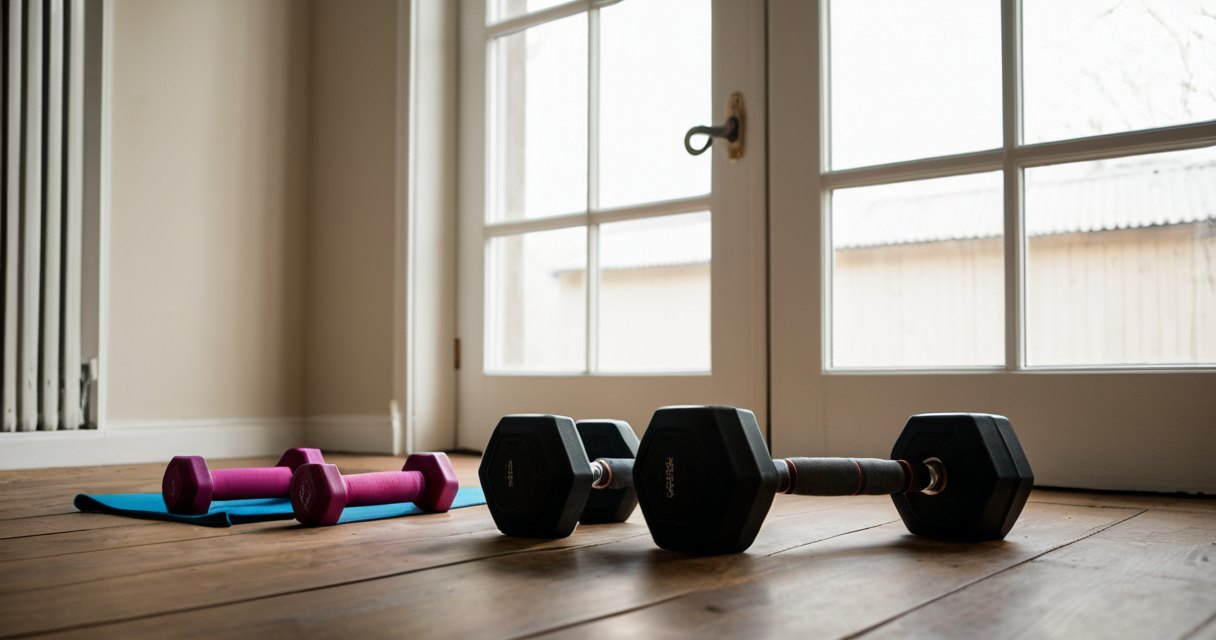
Rapid fat loss, especially when supported by medication, can unfortunately lead to a significant loss of lean muscle mass alongside body fat. This often-overlooked aspect of weight reduction can have long-term consequences that extend far beyond aesthetics. Prioritizing resistance training during this period is crucial for preserving muscle and supporting overall health.
What is actually lost in rapid weight loss
When you create a calorie deficit, your body looks for energy sources. While the primary goal is to burn stored fat, a meaningful portion of the weight you lose can come from lean body mass, which includes muscle. This is particularly true with rapid weight loss, where the body might not differentiate efficiently between fat and muscle for fuel. Without the stimulus of resistance training and adequate protein intake, your body may catabolize muscle tissue to meet its energy demands, even when fat stores are abundant. This isn't just about looking "toned"; it's about maintaining functional strength and a healthy metabolism.
Why muscle preservation matters beyond looks
Losing muscle mass has implications that go beyond how you look in the mirror. Your resting metabolic rate (RMR), the number of calories your body burns at rest, is directly influenced by the amount of muscle you have. More muscle means a higher RMR, making it easier to manage your weight in the long term. Conversely, a reduction in muscle mass can lower your RMR, potentially making future weight management more challenging and increasing the risk of weight regain, especially after stopping medications like GLP-1 agonists. Furthermore, maintaining strength is vital for quality of life as you age, impacting everything from daily activities to preventing falls. Preserving muscle now helps secure your physical independence in later life.
The minimum effective dose for muscle preservation
You don't need to live in the gym to protect your muscle mass during fat loss. A minimum effective dose of resistance training involves two full-body sessions per week. Focus on compound movements – exercises that work multiple muscle groups simultaneously, such as squats, deadlifts (or RDLs), presses, and rows. For each exercise, aim for 2-4 sets, performing repetitions until you are close to, but not quite at, muscular failure. This means you should feel like you could do one or two more repetitions with good form, but no more. This approach provides sufficient stimulus to signal your body to retain muscle without overtraining or excessive fatigue, which can be counterproductive in a calorie deficit.
Progression that survives a calorie deficit
While in a calorie deficit, your body is in an energy-restricted state, which means you should adjust your expectations for strength gains. Significant increases in strength are typically harder to achieve when you're not consuming enough calories to support substantial muscle growth. However, the goal here is not necessarily to get stronger, but to maintain the strength and muscle you already have. Focus on maintaining the load you lift over time. If you find yourself struggling, reduce the volume (fewer sets or repetitions) before you reduce the intensity (the weight lifted). This strategy ensures you're still providing a strong enough signal to your muscles to prevent atrophy, even if you're not consistently adding more weight to the bar.
Protein targets for muscle defense
Adequate protein intake is paramount for muscle preservation during a calorie deficit. While specific gram numbers are best discussed with your healthcare provider, it's generally understood that individuals actively losing weight, especially with resistance training, benefit from a higher protein intake than standard sedentary guidelines. The goal is to provide your body with the building blocks it needs to repair and maintain muscle tissue. Distribute your protein intake across all your meals throughout the day rather than consuming a large amount in one sitting. This consistent supply helps maximize muscle protein synthesis and keeps you feeling fuller, which can aid adherence to your calorie goals. For more strategies on optimizing your intake, you might find our page on Hydration & protein timing helpful.
Starting from deconditioned or high body weight
If you're new to resistance training, haven't exercised in a long time, or are starting at a higher body weight, beginning with machines and seated variants of exercises can be an excellent way to build foundational strength and learn proper form. These options often provide more stability and guidance, reducing the risk of injury. For those preferring to exercise at home or without equipment, bodyweight exercises like squats, push-ups (on knees or against a wall), lunges, and planks are highly effective. The key is consistency and progressive overload, even if that means simply adding more repetitions or reducing rest time. Remember, soreness is not a reliable indicator of an effective workout; consistency and challenging your muscles are what truly matter.
Muscle loss on GLP-1 medication is an active clinical discussion
The potential for muscle loss while on GLP-1 receptor agonists (like semaglutide or tirzepatide) is an active area of clinical discussion and research. While these medications are highly effective for fat loss, some studies suggest a proportion of the weight lost may indeed be lean mass. This makes the strategies discussed here—resistance training and adequate protein intake—even more critical. If you are on a GLP-1 medication, or considering one, it is important to proactively discuss your muscle preservation strategy with your clinic. They can help tailor recommendations based on your individual health profile and medication regimen. Understanding the role of Lifestyle program vs GLP-1 evaluation can also provide valuable context.
Common questions
Do I lose muscle on Ozempic or Wegovy?
While Ozempic and Wegovy (semaglutide) are highly effective for fat loss, there is evidence suggesting that a portion of the total weight lost can include lean muscle mass. This is not unique to GLP-1 medications; any rapid weight loss can lead to some muscle loss if not actively mitigated. This makes resistance training and adequate protein intake particularly important while on these medications to help preserve your muscle mass.
How often should I lift weights while losing weight?
For effective muscle preservation during weight loss, aiming for at least two full-body resistance training sessions per week is generally recommended. This "minimum effective dose" provides enough stimulus to signal your body to retain muscle without overtraining, which can be counterproductive in a calorie deficit. Consistency is more important than intensity, especially when you're new to lifting or in a calorie deficit.
Is cardio or weight training better for fat loss?
Both cardio (aerobic exercise) and weight training (resistance training) play valuable, distinct roles in fat loss and overall health. Cardio is excellent for increasing daily calorie expenditure and improving cardiovascular health. Weight training, however, is superior for preserving and building muscle mass, which is critical for maintaining a healthy metabolism and preventing weight regain. For optimal results during fat loss, a combination of both is generally recommended, with a strong emphasis on resistance training to protect lean muscle mass.
Free clinic callback (not a prescription)
We match you to partner medical weight-loss clinics in BC. Licensed clinicians decide eligibility — including for any medication discussion. Free for patients.