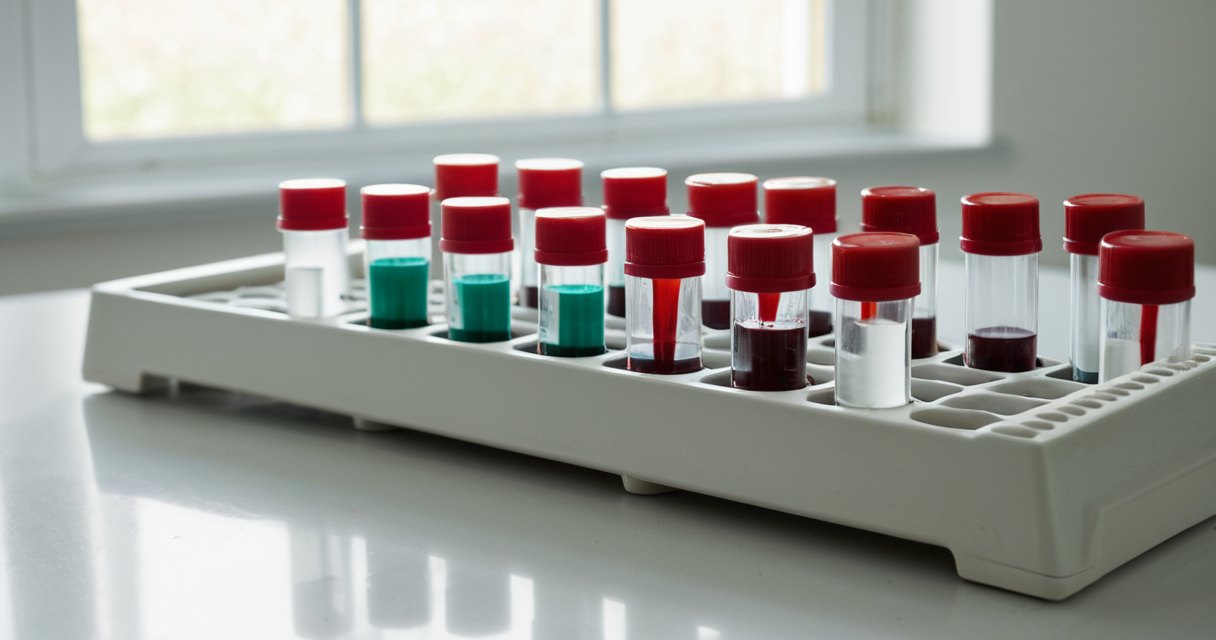
Receiving lab results showing an A1c or fasting glucose outside the normal range can be concerning, especially when the accompanying comments are minimal. These two common blood tests offer distinct but complementary insights into your body's blood sugar regulation, and understanding their differences is key to interpreting your metabolic health.
It's important to remember that while these tests provide crucial data, a diagnosis is always made by a licensed clinician, often requiring repeat testing to confirm findings and rule out temporary fluctuations.
Fasting glucose: a snapshot of the morning
Your fasting glucose test measures the amount of sugar (glucose) in your blood at a single point in time, specifically after you haven't eaten or consumed sugary drinks for at least 8 to 12 hours. This typically means an overnight fast before a morning blood draw.
This test provides an immediate snapshot of how your body is managing glucose when it's not actively processing food. A high fasting glucose can indicate that your body isn't producing enough insulin or isn't using insulin effectively to move glucose from your bloodstream into your cells, even after a period of rest.
A1c: a three-month average
In contrast, the A1c test (also known as glycated hemoglobin or HbA1c) offers a broader view of your average blood sugar levels over the past two to three months. It measures the percentage of hemoglobin (a protein in your red blood cells) that has sugar attached to it. Since red blood cells live for about three months, the A1c reflects your average blood sugar exposure over that period.
Unlike fasting glucose, the A1c isn't affected by what you ate yesterday or even last week, making it a reliable indicator of long-term glucose control. This is why a normal fasting glucose combined with a raised A1c is not necessarily a lab error; it simply means your blood sugar has been elevated on average over a longer period, even if it was within normal limits on the morning of your test.
Canadian diagnostic ranges: what the numbers mean
Diabetes Canada provides clear guidelines for interpreting both fasting glucose and A1c results:
- Normal:
- Fasting glucose: Below 5.6 mmol/L
- A1c: Below 6.0%
- Prediabetes (increased risk for type 2 diabetes):
- Fasting glucose: 5.6 to 6.9 mmol/L
- A1c: 6.0% to 6.4%
- Diabetes:
- Fasting glucose: 7.0 mmol/L or higher
- A1c: 6.5% or higher
It's crucial to understand that a single abnormal result doesn't automatically mean a diagnosis. Your clinician will typically recommend repeat testing to confirm the findings, especially for diabetes. They will also consider your overall health, symptoms, and risk factors before making a diagnosis or recommending a treatment plan.
When the tests disagree: factors that distort A1c
While A1c is generally a robust measure, certain conditions can affect its accuracy, leading to a discrepancy between your A1c and fasting glucose results. If your A1c is unexpectedly high or low compared to your fasting glucose, your clinician will consider these possibilities:
- Anemia or recent blood loss: Conditions that reduce the lifespan of red blood cells (like hemolytic anemia or significant blood loss) can lead to a falsely low A1c, as there are fewer older red blood cells with attached sugar.
- Pregnancy: Physiological changes during pregnancy can alter red blood cell turnover, potentially affecting A1c accuracy.
- Kidney disease: Advanced kidney disease can impact red blood cell lifespan and metabolism, leading to an inaccurate A1c.
- Certain hemoglobin variants: Some genetic variations in hemoglobin (e.g., sickle cell trait, thalassemia) can interfere with the A1c test method, causing falsely high or low readings.
- Iron deficiency anemia: Conversely, untreated iron deficiency anemia can sometimes lead to a falsely elevated A1c.
In these situations, your clinician might rely more heavily on fasting glucose or other blood sugar tests, such as an oral glucose tolerance test, for a more accurate assessment of your metabolic health. They may also order additional tests, like bloodwork after 40, to get a comprehensive picture.
How quickly numbers change: lifestyle's impact
Your lifestyle choices have a direct and measurable impact on your blood sugar levels, but the speed at which these changes reflect in your tests differs:
- Fasting glucose: This number can respond relatively quickly to changes. Within weeks, improvements in diet, increased physical activity, better sleep, and reduced alcohol intake can often lead to a lower fasting glucose. For instance, understanding the impact of alcohol and belly fat can directly influence your fasting glucose.
- A1c: Because A1c reflects a three-month average, it takes longer to show significant changes. You'll typically need to maintain consistent lifestyle modifications for several months before seeing a notable shift in your A1c. This means that even if you've made positive changes recently, your next A1c might still reflect the patterns from before those changes took full effect.
Significant weight change, for example, can impact both. While muscle loss on a GLP-1 might be a concern, the overall weight loss often contributes positively to metabolic markers. Similarly, addressing issues like sleep apnea and weight can improve metabolic health over time.
What to ask at your follow-up appointment
When discussing your A1c and fasting glucose results with your clinician, come prepared with questions to ensure you fully understand your situation and the next steps:
- Should these tests be repeated? Especially if the results are borderline or if there's a significant discrepancy between the two tests, repeat testing is often recommended to confirm findings.
- Are there other related tests I should consider? Your clinician might suggest additional tests like a lipid panel to check cholesterol and triglycerides, or liver enzyme tests, especially if you have risk factors for fatty liver and weight. These provide a more complete picture of your metabolic and cardiovascular health. For men, a discussion around blood pressure, lipids and weight is often relevant.
- What is the target A1c or fasting glucose for me? Your ideal target might vary based on your age, other health conditions, and personal circumstances. Understanding your specific goal helps you and your clinician work together effectively.
- What lifestyle changes would be most impactful for my specific results? Discuss tailored advice on diet, exercise, and other habits.
Common questions
Can my A1c be normal if I have prediabetes?
No, by definition, if your A1c is within the normal range (below 6.0%), you do not have prediabetes based on that specific test. Prediabetes is diagnosed when your A1c falls between 6.0% and 6.4%. However, it is possible to have a normal A1c but an elevated fasting glucose (5.6 to 6.9 mmol/L), which would still indicate prediabetes. Clinicians consider all available test results and your overall health picture for a diagnosis.
How often should A1c be rechecked?
If your A1c is normal, Diabetes Canada generally recommends rechecking it every 1-3 years, or sooner if you develop new risk factors or symptoms. If you have prediabetes, it's typically recommended to recheck your A1c annually to monitor for progression to type 2 diabetes. For individuals diagnosed with diabetes, A1c is usually rechecked every 3-6 months to assess blood sugar control and the effectiveness of treatment.
Does losing weight lower A1c?
Yes, for most individuals, losing weight can significantly help lower A1c levels. Weight loss, especially around the abdomen, improves insulin sensitivity, meaning your body can use insulin more effectively to manage blood sugar. This effect is often more pronounced with greater weight loss and can even help reverse prediabetes or put type 2 diabetes into remission. The improvements in blood sugar control from weight loss typically lead to a reduction in A1c over time, reflecting the average blood sugar levels over the preceding months.
Prefer to see someone in person?
We list medical weight-loss clinics with a physical address and match you to one for free. Licensed clinicians decide eligibility — including for any medication discussion.